The Journal · Industry
What’s Moving in Barbering and Hairdressing: The 2026 Edition
Texture is back, the barber–salon line is blurring, and stylists are finally taking their own bodies seriously. Six shifts we’re seeing from the chair — and what they mean for your kit.

Every year the chair tells us where the craft is heading before any trend report does. These are the shifts we keep hearing about from the stylists and barbers we work with — and what each one asks of the tools in your hand.
The short version
More texture, more dry cutting, more crossover between barbering and hairdressing, and far more attention to comfort and career longevity. Kits are getting smarter rather than bigger — fewer, better, technique-specific tools that are looked after properly.
1. Texture is back — and it’s everywhere
Shags, wolf cuts, soft mullets, curtain fringes, lived-in layers and textured crops: the cuts people are asking for are all about movement and softness rather than hard, graphic lines. The shag in particular is the cut everyone seems to want.
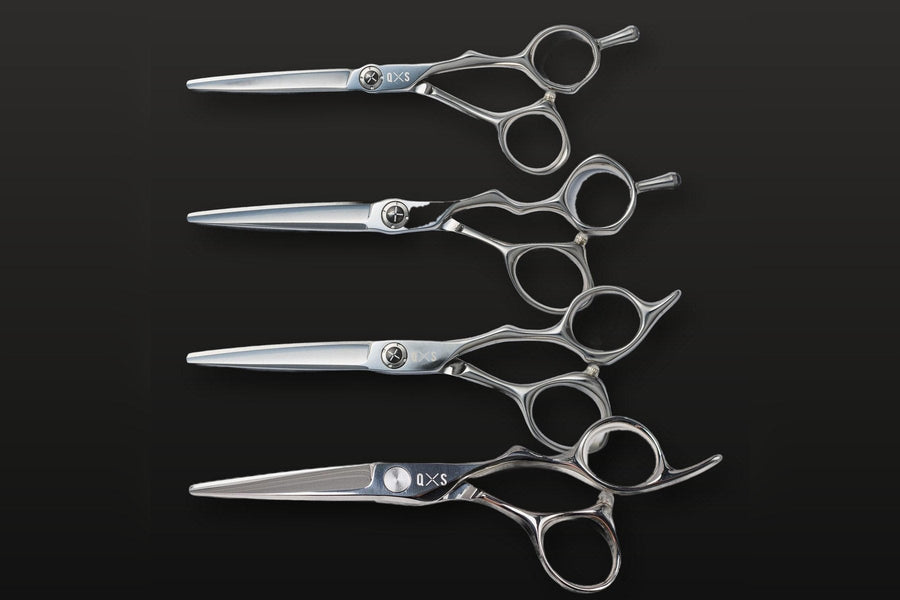
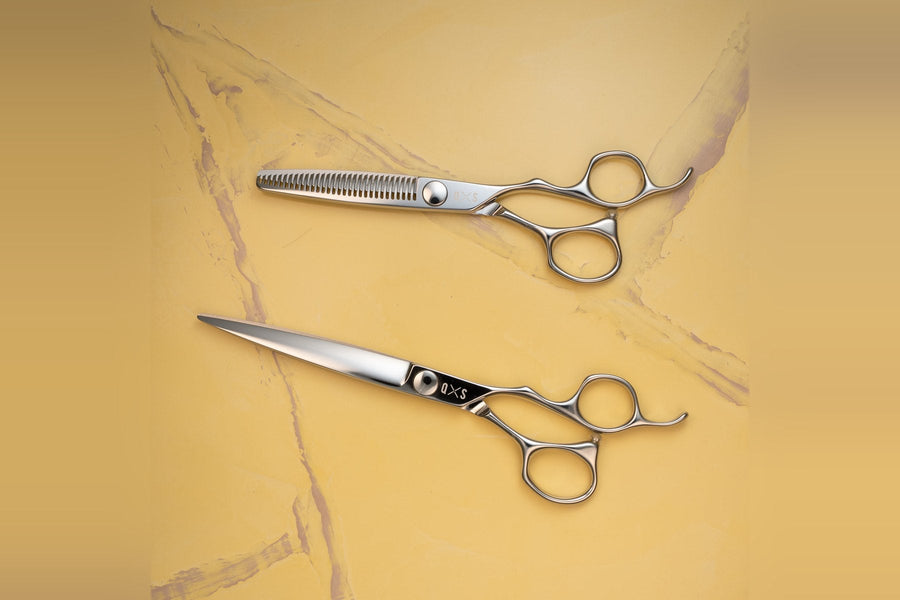
What it means for your kit: texture lives in the ends. A convex edge that can slide cut, precise tips for point cutting, and a blender that removes weight without leaving a line. The Vasco was built for slicing; the Vespucci for invisible blending.
2. Cutting dry, cutting to the fall
More stylists are cutting or refining dry so they can see how the hair actually sits — especially on curls, waves and textured hair, where wet cutting can hide how much length will spring back.
What it means for your kit: dry hair is tougher on an edge. A stable blade that cuts cleanly without pushing matters more, and so does regular servicing. The Dias was designed for dry cutting and strong lines.
3. The barber–salon line is blurring
Barbers are cutting longer, softer shapes. Salon stylists are doing more short, textured and clipper-adjacent work. Many chairs now see both in a single afternoon.
What it means for your kit: versatility. An all-purpose 6.0″ like The Pizarro, paired with a blender, covers an enormous amount of ground. More in Barbers vs. Hairdressers.
Technique doesn’t care what the sign above the door says.
4. Stylists are protecting their bodies
Wrist, elbow and shoulder strain has always been part of the job. What’s changed is that people are talking about it, and choosing tools with a career in mind rather than a single cut.
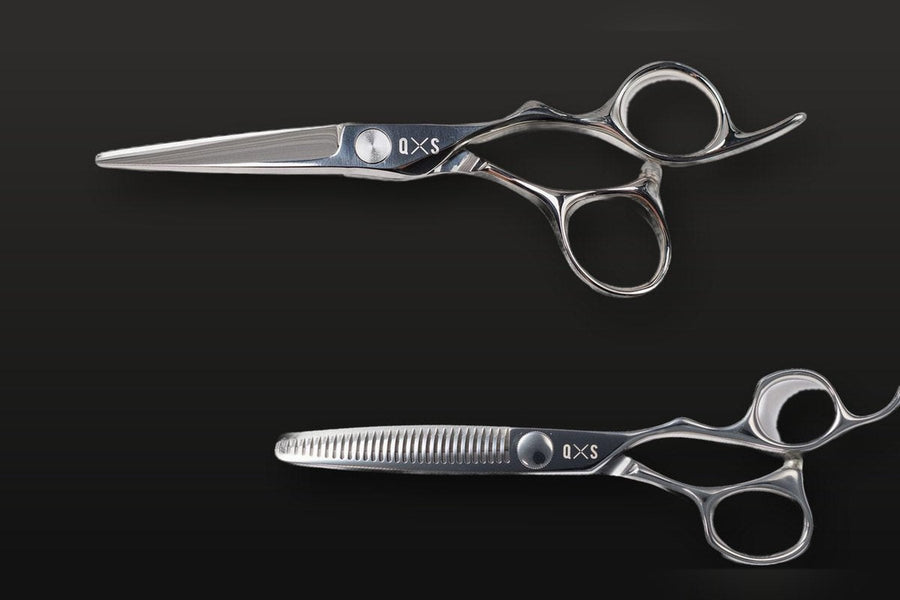
What it means for your kit: offset handles as a baseline, and swivels for anyone cutting long days or lots of vertical sections. Our Polo, Dias and Vasco Swivels let the thumb ring rotate so the elbow stays down. See our handle guide.
5. Smarter kits, not bigger ones
Rather than a drawer full of shears, stylists are building tight, deliberate kits: a main cutter, a detail or slicing shear, and a blender or texturiser — each chosen for a job, and each in a steel they can name.
What it means for your kit: think in jobs, not in quantity. Our founder’s take is in Why You Should Own Three Pairs, and our Bundles & Kits pair tools made to work together.
6. Looking after the tools properly
A professional shear is an investment, and more stylists are treating it like one: daily wiping and oiling, weekly tension checks, and a proper service at least every six months rather than waiting until it folds hair.
What it means for your kit: a two-minute daily routine and a service schedule. Our care guide covers the routine, and our sharpening service covers the rest.
And one to watch: learning never stops
Short-form video has turned every stylist into a potential educator, and techniques now travel around the world in days. The best people we know are still learning something every week — which is exactly why we write The Journal.
See you in the next edition.
Dan Wild · Founder, Quartered Steels · Belfast